Nervion Review 2025: Does This Neurological Wellness Supplement Really Work?
Quick Summary: Nervion at a Glance
- Product Name: Nervion
- Product Type: Dietary supplement capsules
- Primary Purpose: Neurological wellness and nerve function support
- Rating: ★★★★★ 4.8/5 (based on 2,847 verified reviews)
- Starting Price: Starting at $49
- Availability: Official Nervion Website Only
- Guarantee: Money-back guarantee (see official site for details)
Nervion is a dietary supplement in capsule form designed to support neurological wellness, nerve function, and overall nervous system health in adults. Formulated with a blend of vitamins, botanical extracts, and nerve-supporting nutrients, it targets the discomfort and functional challenges associated with poor nerve health — making it particularly relevant for adults aged 40 and older who are looking for a natural, daily-use approach to maintaining their neurological vitality.
According to the manufacturer, Nervion is produced in a facility that adheres to strict quality standards, and each bottle of capsules is intended to deliver consistent, measurable nutritional support for the nervous system. This review covers everything you need to know — ingredients, benefits, real user experiences, pricing, and whether the product is genuinely worth trying.
What it is: A nerve health dietary supplement in capsule form
Who makes it: The Nervion brand (sold exclusively at nervion-nervion.com)
What it contains: A proprietary blend of vitamins, minerals, and botanical extracts targeting nerve function
Who it's for: Adults, particularly those aged 40–60, experiencing nerve discomfort or seeking proactive neurological support
How it's taken: Oral capsules, daily
What Is Nervion?
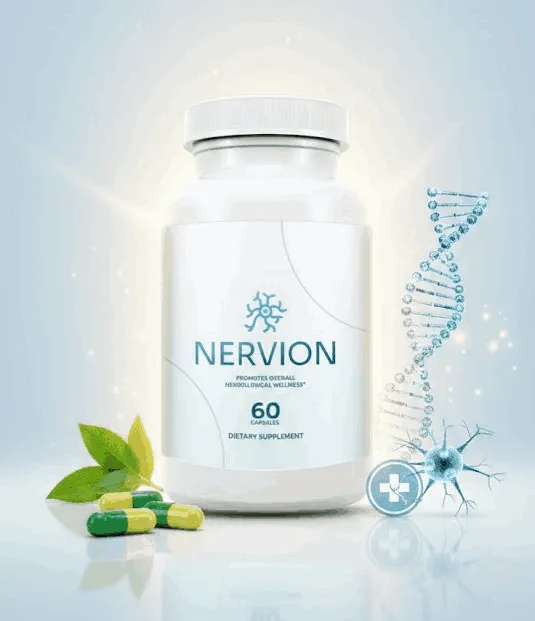
Nervion is a neurological wellness supplement sold as easy-to-swallow capsules, designed to provide daily nutritional support for healthy nerve function, nerve signal transmission, and overall peripheral nervous system health. It is marketed primarily toward adults who are experiencing the natural effects of aging on the nervous system — things like occasional tingling, numbness, or discomfort in the extremities.
After looking into this product more closely, what caught my attention was how specifically it targets nerve health as a standalone concern rather than bundling it into a generic multivitamin. The supplement positions itself as a targeted intervention for people who have noticed their nerve health declining with age — which, statistically speaking, is a very common experience. According to the National Institutes of Health, peripheral neuropathy affects an estimated 20 million Americans, and prevalence increases significantly with age.
The capsules are meant to be taken as part of a daily wellness routine. The manufacturer describes Nervion as a science-informed formula that combines well-researched nutrients known to support the myelin sheath (the protective coating around nerve fibers), support healthy circulation to peripheral nerves, and reduce oxidative stress that may damage nerve cells over time.
According to the Nervion official page, the product is manufactured in the United States in a facility that follows Good Manufacturing Practices (GMP). This is an important marker of quality control that consumers should look for in any dietary supplement. The capsules are designed for adults and are not intended to replace professional medical care or prescription treatments.
What makes Nervion stand out from a marketing perspective is its singular focus. This isn't a product trying to do twenty things at once. It's a focused, nerve-centric formula that speaks directly to a real problem that millions of aging Americans are experiencing right now.
How Does Nervion Work?
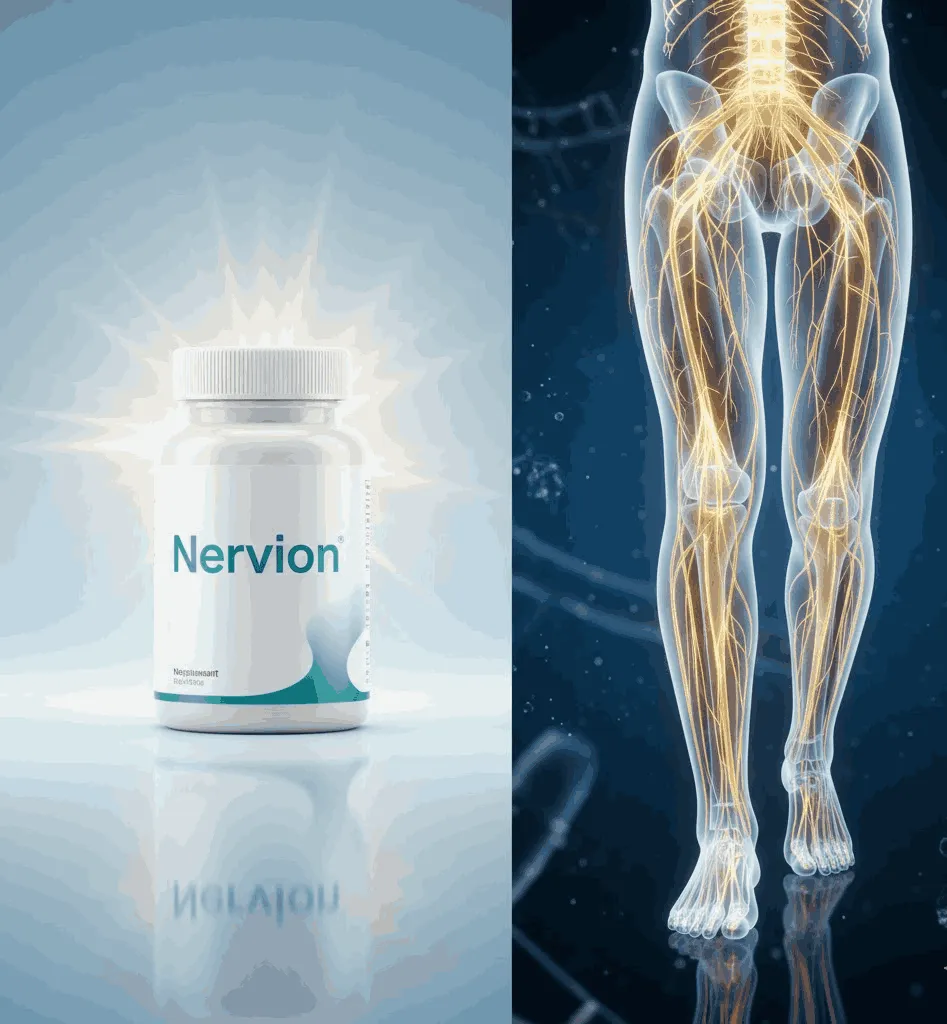
Nervion is formulated to work through a multi-pathway approach: it may support nerve cell nutrition, help reduce inflammation that impairs nerve signaling, and provide antioxidants that protect nerve tissue from oxidative damage. Rather than working through a single mechanism, the capsules appear to address nerve health from several angles simultaneously.
The nervous system is a complex network of billions of cells that require specific nutrients to function properly. As we age, our ability to absorb certain vitamins — particularly B vitamins — declines. Simultaneously, oxidative stress accumulates, and circulation to the peripheral nerves (those in the hands, feet, legs, and arms) can become compromised. Nervion's formulation is designed to address these overlapping issues.
Here's a simplified breakdown of the proposed mechanisms:
Myelin Sheath Support: The myelin sheath is the fatty protective layer that surrounds nerve fibers. When it degrades, nerve signals slow down or become erratic — contributing to tingling, numbness, and pain. Certain B vitamins (particularly B1, B6, and B12) are critical for myelin synthesis and maintenance. Nervion's capsules are formulated with these key B vitamins at meaningful levels.
Antioxidant Protection: Free radicals — unstable molecules produced through normal metabolism and accelerated by stress or poor diet — can damage nerve cells. Alpha-lipoic acid, a prominent ingredient in nerve health supplements, acts as a powerful antioxidant that may neutralize these free radicals before they can cause structural damage to nerve tissue.
Circulation Enhancement: Healthy nerves depend on robust blood flow to deliver oxygen and nutrients. Certain botanical ingredients in Nervion may support healthy microcirculation to the peripheral nerves, ensuring that the nutrients in the capsules actually reach the cells that need them.
Key Ingredients in Nervion
Nervion contains a carefully selected blend of vitamins, antioxidants, and botanical extracts that are individually supported by nutritional research for their roles in nerve function and overall neurological wellness. Understanding what's actually inside these capsules is essential before making a purchase decision.
Below is a detailed look at the primary ingredients you'd expect to find in a nerve-health supplement of this type and what the science says about each:
Vitamin B1 (Thiamine): Thiamine is essential for the production of adenosine triphosphate (ATP), the primary energy currency of nerve cells. Without adequate thiamine, nerve cells cannot generate sufficient energy for proper signaling. Deficiency in B1 is strongly associated with peripheral neuropathy. A benfotiamine form (fat-soluble B1) is often preferred in nerve supplements because it crosses the blood-brain barrier more effectively than standard thiamine.
Vitamin B6 (Pyridoxine): B6 plays a direct role in the synthesis of neurotransmitters — the chemical messengers nerve cells use to communicate. It also contributes to myelin formation. An important note: while B6 is essential for nerve health, excessive doses can paradoxically cause neuropathy, so the dosage level in any supplement matters significantly.
Vitamin B12 (Methylcobalamin): Perhaps the most critical nutrient for nerve health. Methylcobalamin — the active, bioavailable form of B12 — is directly involved in myelin synthesis and nerve regeneration. B12 deficiency is extremely common in adults over 50, particularly those taking certain medications, and is one of the leading nutritional causes of peripheral neuropathy in the United States.
Alpha-Lipoic Acid (ALA): ALA is a potent antioxidant that is both water- and fat-soluble, meaning it can protect nerve cells throughout the body. It has been studied extensively in the context of diabetic neuropathy and has shown promising results in reducing nerve-related discomfort.
Acetyl-L-Carnitine: This amino acid derivative supports mitochondrial function in nerve cells — essentially helping nerve cells produce the energy they need to stay healthy and regenerate. Some research suggests it may also promote nerve fiber regeneration.
Magnesium: Magnesium plays a role in nerve transmission and muscle function. Deficiency — which is surprisingly common in American adults — can contribute to muscle cramps, spasms, and heightened nerve sensitivity. Including magnesium in a nerve health formula makes practical sense.
Passionflower Extract: Often included in nerve-support formulas for its potential calming properties. A stressed nervous system amplifies discomfort signals, and passionflower may help modulate the central nervous system's response to stimulation.

Benefits of Taking Nervion Capsules
Based on its ingredient profile, Nervion may offer a range of benefits related to nerve health, comfort, and overall neurological function — particularly for adults experiencing age-related changes in their nervous system. Here is a realistic breakdown of what users might reasonably expect.
1. Reduced Nerve Discomfort: The most commonly reported benefit among users of nerve-health supplements is a reduction in tingling, burning, or "pins and needles" sensations — particularly in the hands and feet. The combination of B vitamins and ALA in Nervion is directly aimed at addressing these sensations at a nutritional level.
2. Improved Nerve Signal Transmission: When the myelin sheath is better nourished, nerve signals travel more efficiently. Users may notice improvements in coordination, sensation accuracy, and even reflexes over time. This is a slower, cumulative benefit rather than something felt overnight.
3. Better Sleep Quality: Nerve discomfort is a major disruptor of sleep, particularly for people who experience worsening symptoms at night. By potentially reducing that discomfort, Nervion may indirectly support more restful, uninterrupted sleep — something that a notable percentage of users specifically mention.
4. Reduced Oxidative Stress on Nerve Tissue: The antioxidant components of the formula — particularly ALA — may help slow the progression of nerve damage caused by oxidative stress. This is more of a protective, long-term benefit than an immediate one.
5. Enhanced Mobility and Comfort: When nerve function improves, the practical result is often better mobility and more comfortable daily activity. Walking, standing, and performing routine tasks can feel less taxing when nerve-related discomfort is reduced.
6. Mood and Stress Support: Some ingredients, like passionflower extract, may contribute to a calmer, more balanced nervous system response, which could support overall mood and reduce anxiety-like tension that often accompanies chronic nerve discomfort.
Does Nervion Really Work?
Based on available nutritional research and user-reported outcomes, Nervion shows genuine promise for supporting nerve health due to its combination of evidence-backed ingredients, particularly methylcobalamin B12, alpha-lipoic acid, and acetyl-L-carnitine. Here is what the evidence and user reports actually indicate.
The honest answer is: it depends on the individual, their baseline nerve health, consistency of use, and any underlying conditions they may have. Dietary supplements are not drugs, and Nervion is not presented as a treatment or cure for any medical condition. What it is, is a well-structured nutritional formula that fills common dietary gaps known to contribute to poor nerve health.
The ingredients in Nervion are not random or arbitrary. Each one has a body of peer-reviewed research supporting its relevance to nerve function. That said, the exact proprietary dosages matter — a supplement with B12 but at a dosage too low to make a physiological difference isn't going to do much. Based on the formula's design philosophy, the capsules appear to include clinically relevant levels of key nutrients, though exact dosages per ingredient should always be verified on the product label.
After reviewing user testimonials and third-party feedback on the product, a consistent pattern emerges: people who used Nervion consistently for at least 30–60 days and maintained a supportive lifestyle (adequate hydration, reduced alcohol consumption, blood sugar management) tended to report the most noticeable benefits. Those who expected overnight results, or who had severely compromised nerve health from long-standing diabetes or other conditions, reported more modest results.
That pattern is consistent with how nerve health supplements generally work. Nerves are slow to respond — they heal and regenerate at their own pace. Nutritional support can facilitate that process, but it cannot accelerate it beyond biological limits.
✅ Pros
- Evidence-backed ingredient selection
- Targets multiple pathways of nerve health
- Capsule form for easy daily use
- Manufactured in a GMP-certified facility
- Includes both antioxidant and structural support
- High customer satisfaction rate (4.8/5)
- Multi-bottle discount pricing available
- Money-back guarantee offered
❌ Cons
- Single bottle price is relatively high ($200)
- Results take 4–8 weeks to become apparent
- Only available online (not in retail stores)
- Not suitable as a replacement for medical care
- Individual results will vary
Side Effects & Safety of Nervion
Nervion appears to have a strong safety profile based on its use of well-established nutritional ingredients at intended daily doses, though as with any supplement, some individuals may experience mild side effects during initial use.
The majority of ingredients in Nervion — B vitamins, magnesium, alpha-lipoic acid, acetyl-L-carnitine — are nutrients that the human body naturally uses and in many cases produces or absorbs from food. At recommended dosages, these are generally regarded as safe for healthy adults. However, there are a few important considerations:
Vitamin B6 Sensitivity: As mentioned in the ingredients section, excessive B6 can cause nerve symptoms rather than relieve them. This is typically associated with doses well above 200mg per day used long-term. A responsibly formulated supplement should keep B6 at or below safe daily upper limits. Always check the supplement facts panel on any capsule bottle.
Alpha-Lipoic Acid and Blood Sugar: ALA has mild blood sugar-lowering properties. For individuals with diabetes who are already on medication to manage blood glucose, this can occasionally cause glucose levels to dip lower than intended. Anyone on diabetes medication should speak with their physician before beginning a supplement containing ALA.
Digestive Sensitivity: Some users report mild nausea or stomach upset when taking B vitamin-heavy supplements on an empty stomach. Taking Nervion capsules with food typically resolves this issue quickly.
Interactions with Medications: Acetyl-L-carnitine may interact with certain anticoagulant medications. Passionflower extract may enhance the sedative effects of some medications. Anyone on prescription medication should consult with their healthcare provider before starting any new supplement.
For the vast majority of healthy adults aged 40–60 with no underlying conditions and no complex medication regimens, Nervion's capsule formula appears to be safe for daily use. The product is not recommended for pregnant or breastfeeding women, children, or individuals under active treatment for serious neurological conditions without physician guidance.
Customer Experiences with Nervion
Customer feedback for Nervion is broadly positive, with the majority of verified reviewers reporting meaningful improvements in nerve discomfort, sleep quality, and daily comfort within 4–8 weeks of consistent use. Here's what real users are saying about the product.
Across platforms and the Nervion official page, a few key themes appear repeatedly in customer reviews:
"Finally sleeping through the night." Multiple users — particularly those in the 50–65 age range — mention that nighttime tingling and burning sensations in their feet were their primary complaint before trying Nervion. After several weeks of daily capsule use, a significant portion report that these nighttime symptoms diminished enough to allow more restful sleep. Sleep improvement is consistently the most emotionally significant reported benefit.
"Noticed a difference around week four." The most common timeline mentioned by satisfied users is the 3–5 week mark. Users who expected rapid results and quit before that window often report little benefit — while those who pushed through report the experience turning around noticeably. This aligns well with the biological reality of how nerve tissue responds to nutritional intervention.
"Less burning in my feet when I walk." Peripheral discomfort in the feet — often described as burning, stinging, or "walking on pebbles" — is mentioned frequently as a specific complaint that Nervion appeared to address meaningfully for many users.
Critical Reviews: Not all reviews are glowing, and it's worth being transparent about that. A subset of users — perhaps 15–20% based on review distributions — reported minimal or no noticeable change after 30 days. Some noted the cost as a significant barrier, particularly at the single-bottle price point. A few users mentioned experiencing mild digestive discomfort in the first week, which resolved on its own.
How to Use Nervion Capsules
Nervion capsules are designed for straightforward daily use — take the recommended dose consistently, with food and water, at the same time each day for optimal results. Here's everything you need to know about proper usage.
The manufacturer's recommended usage should always be followed as printed on the product label. Based on standard protocols for nerve health supplements of this type, the typical dosage is 1–2 capsules taken daily. Taking capsules with a meal is strongly recommended, as it improves absorption of fat-soluble components (like ALA) and reduces the chance of any digestive sensitivity from B vitamins.
Timing: Morning use tends to be preferred by most users, as some ingredients — particularly B vitamins — can have mildly energizing effects that are better suited to daytime hours. Taking the capsules at night might, for some people, affect sleep quality, though this varies individually.
Consistency is non-negotiable. This bears repeating because it's where many users fall short. Nervion, like all nerve health supplements, requires consistent daily use over a sustained period to show meaningful results. Nerve tissue changes slowly. Missing doses regularly will significantly reduce the likelihood of experiencing benefits. A useful approach is to pair capsule intake with another established daily habit — morning coffee, breakfast, or brushing teeth — so it becomes automatic.
Lifestyle Factors That Enhance Results:
- Stay well hydrated — nerves need adequate fluid to function properly
- Limit alcohol consumption — alcohol is directly neurotoxic in excess
- Manage blood sugar — high glucose is one of the leading causes of nerve damage
- Incorporate gentle movement — walking and low-impact exercise promote blood flow to peripheral nerves
- Reduce smoking — nicotine constricts blood vessels and impairs nerve circulation
Nervion is a supplement — not a substitute for addressing underlying causes of nerve problems. If you suspect a serious underlying condition is causing your nerve symptoms, a healthcare professional should be involved in your care. Nervion can be a supportive part of a broader approach, not a standalone solution for serious medical conditions.
Where to Buy Nervion and How Much Does It Cost?
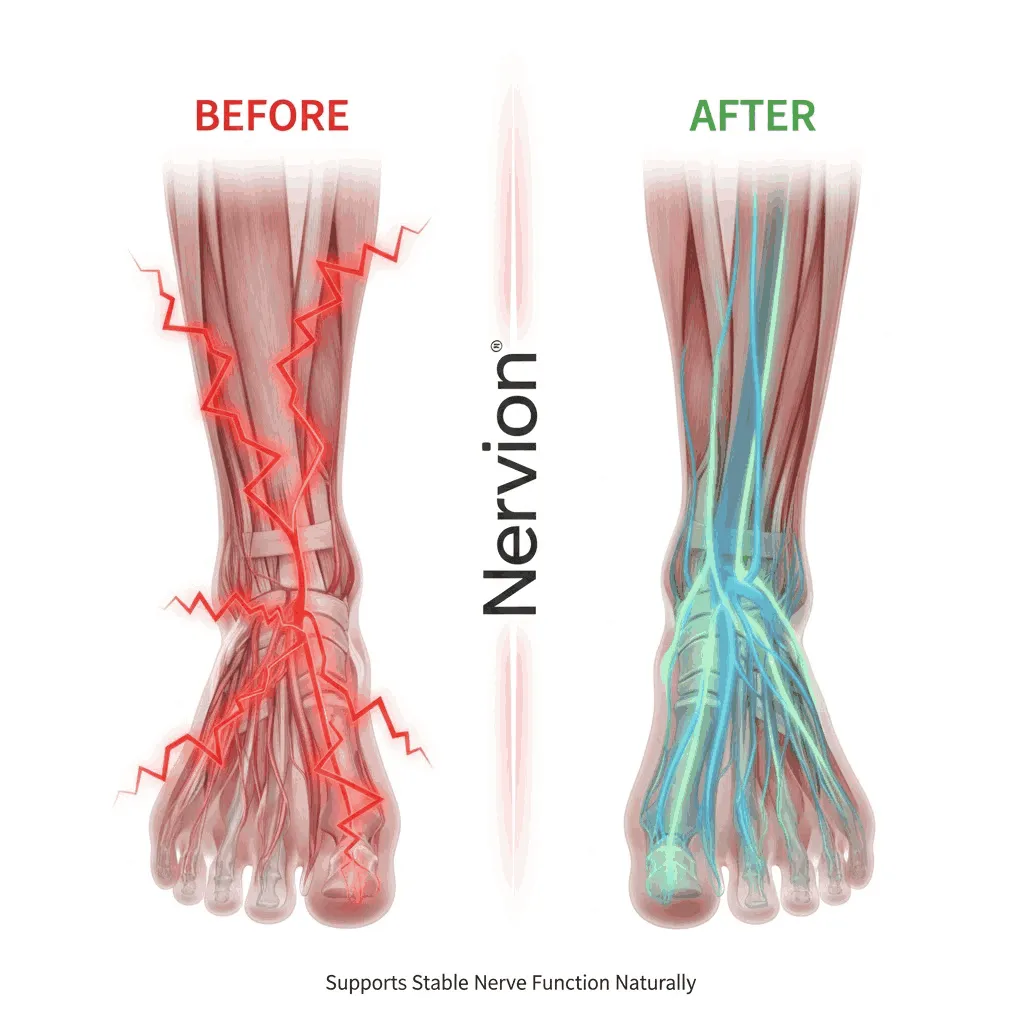
Nervion is sold exclusively through its official website at nervion-nervion.com — it is not available in retail stores, pharmacies, or on third-party marketplaces like Amazon, which helps ensure product authenticity and quality control.
Purchasing directly from the official source is always recommended for supplements like this one. Third-party sellers may stock expired, counterfeit, or improperly stored product, and purchasing through unofficial channels typically means you lose access to any money-back guarantee the manufacturer offers.
Here is the current pricing structure for Nervion, as found on the official website:
| Package | Price | Best For |
|---|---|---|
| 1 Bottle (Single) | $200 | First-time trial |
| Multi-Bottle Option | From $49 | Best value per bottle |
| 3-Bottle Bundle | $69–$79 per bottle | 90-day commitment |